






Hello wonderful people from the internet!
Welcome back to the 27th part of our progress blog!
What is the current state of play?
Game Design
We made a few changes here last week, including updates to the skill tree, the gear/basic-attack system, and a mana rework. Let’s start with the skill tree
Skilltree
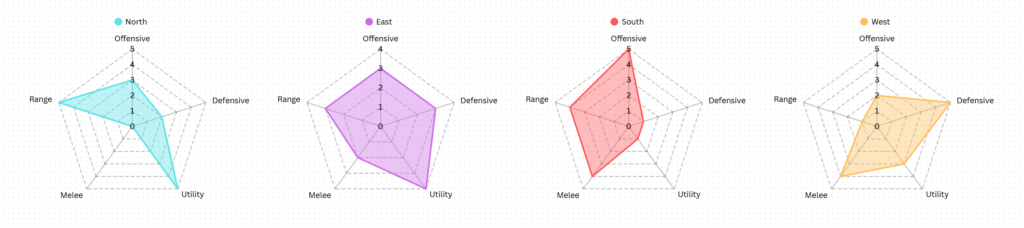
Essentially, the skill tree consists of four skill trees, each linked to one of our four worlds. Each of these skill trees has its own strengths and weaknesses. However, since our main character can move between all four worlds, they can also adjust their attributes from any of the four worlds if the player chooses to do so. But this isn’t done arbitrarily, each skill tree is divided into four layers, with each layer containing a portion of the skill tree. The individual layers can then be rotated so that the player can navigate their way through the skill tree and either focus heavily on one world to maximize its strengths, or use other worlds to compensate for its weaknesses. A small diagram can be seen in the graphic below
Basic Attack Rework
We’ve been rethinking our Basic Attack system and have decided to integrate it into our existing gear system. This should give players a clearer understanding of exactly what each ability does and what type it is.
Instead of dropping a gear of, say, the „Ability“ type, „Aspects“ (working title) will be dropped. When activated, the Aspect allows the player to choose which type they want to make of this ability: Basic Attack, Ability, or Ultimate. The gear/aspect to be equipped changes with this choice; for example, a ranged attack can only shoot a short distance as a Basic Attack, but generates mana (like all Basic Attacks); if selected as an Ability, it becomes a powerful range attack and as an ult its even more powerful but less often usable.
These aspects can be converted into one of the types/slots (Basic Attack/Ability/Ult), or into two or three, depending on how the ability is played. When equipping gear, passive affixes are still rolled onto the gear, and rune management remains the same.
Mana Rework
We’ve reworked the mana system to make resource management more tactical and impactful. Mana now uses a shard-based system: players start each run with three mana shards, and abilities consume between one and three shards depending on their power. Instead of generating flat mana values, generators now have a chance to create additional mana shards, adding more variance and decision-making to combat flow. We’ve also introduced ways to increase your maximum shard capacity over time, opening up new build possibilities and allowing for stronger late-game spell combinations.
Art
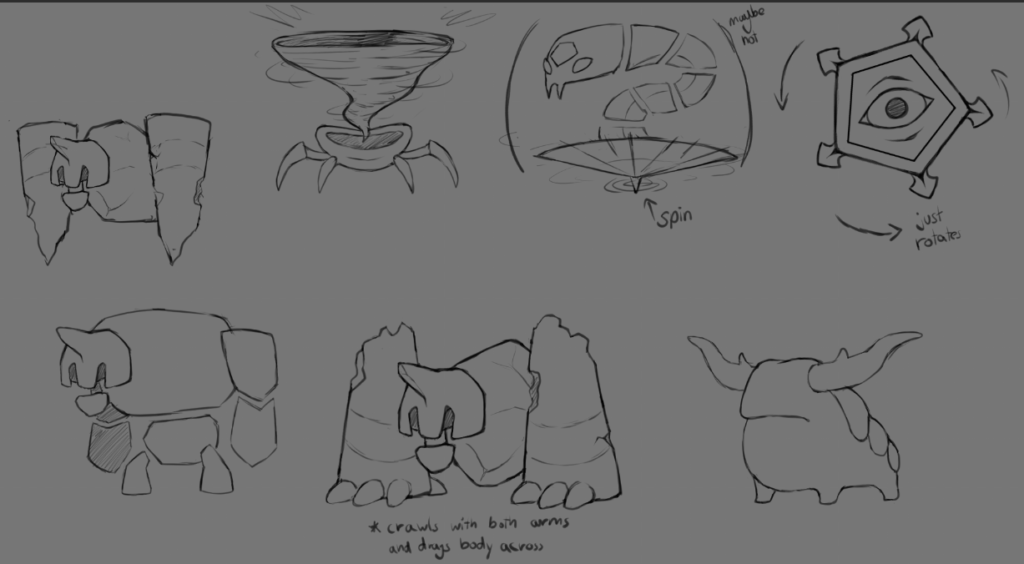
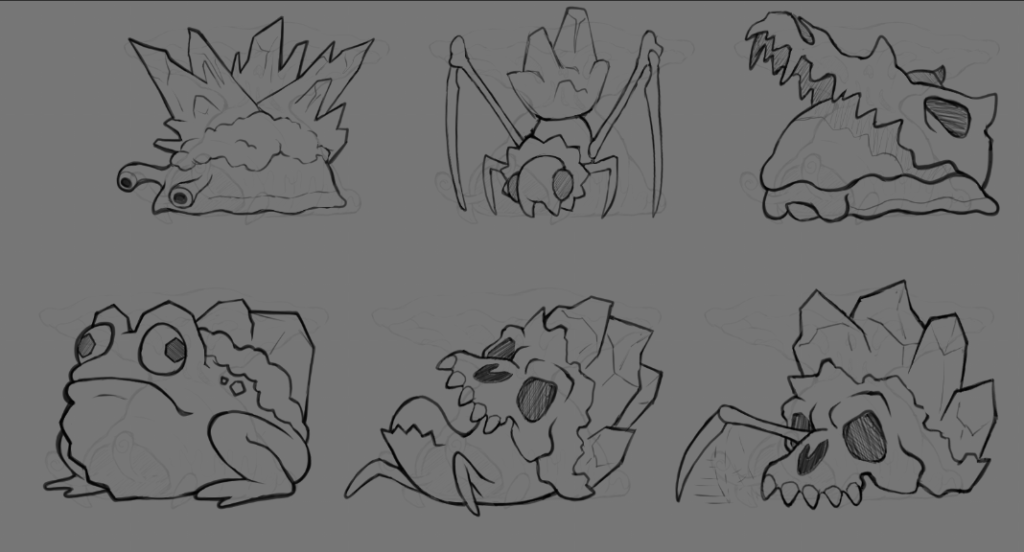
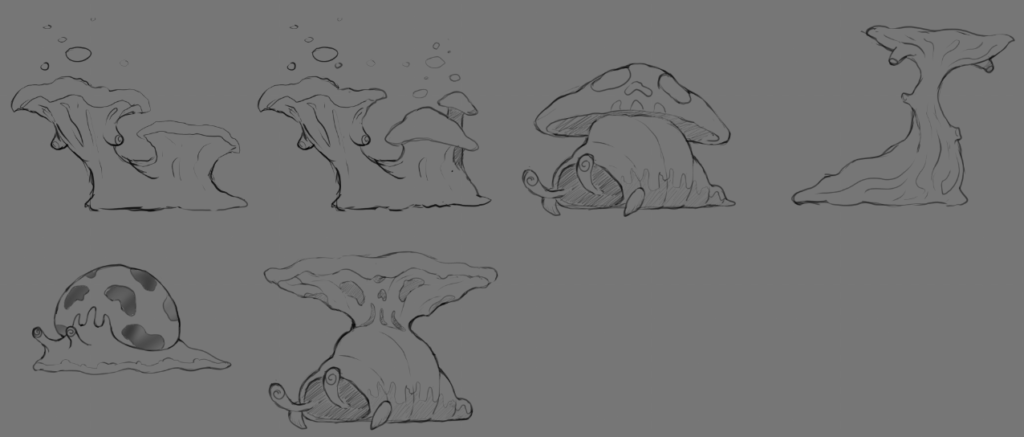
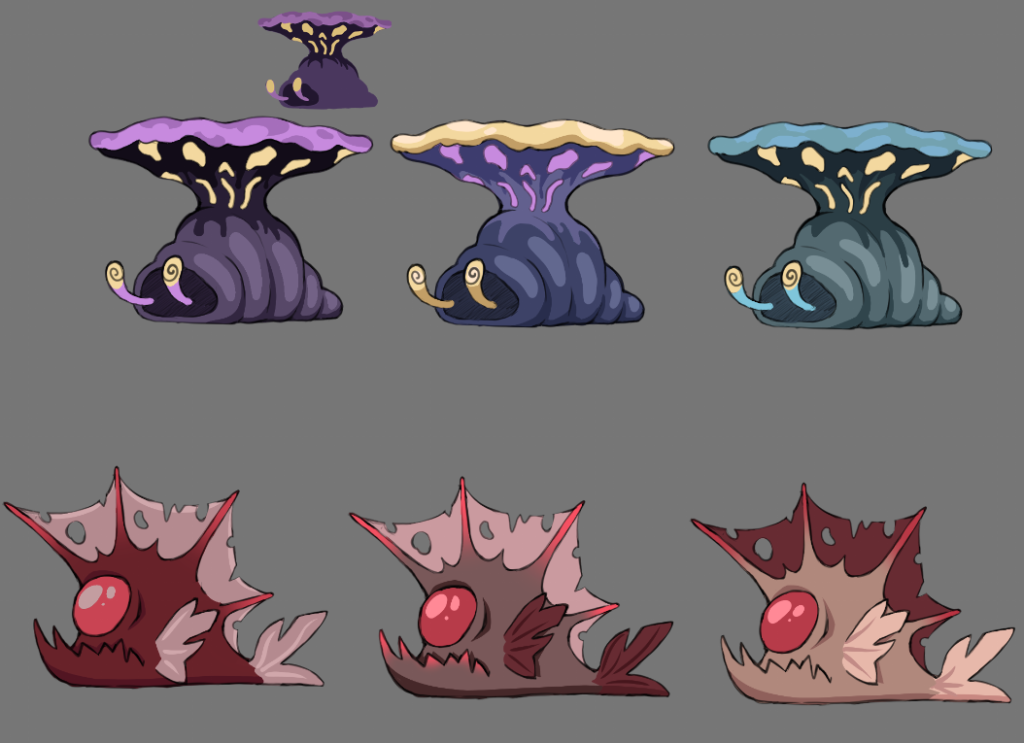
We’ve created concepts for our new enemy design. This enemy patrols around a single platform, making it harder for the player to reach certain sections. To that end, we’ve developed concepts and created the first drafts with color schemes. The concepts are shown in the image below.
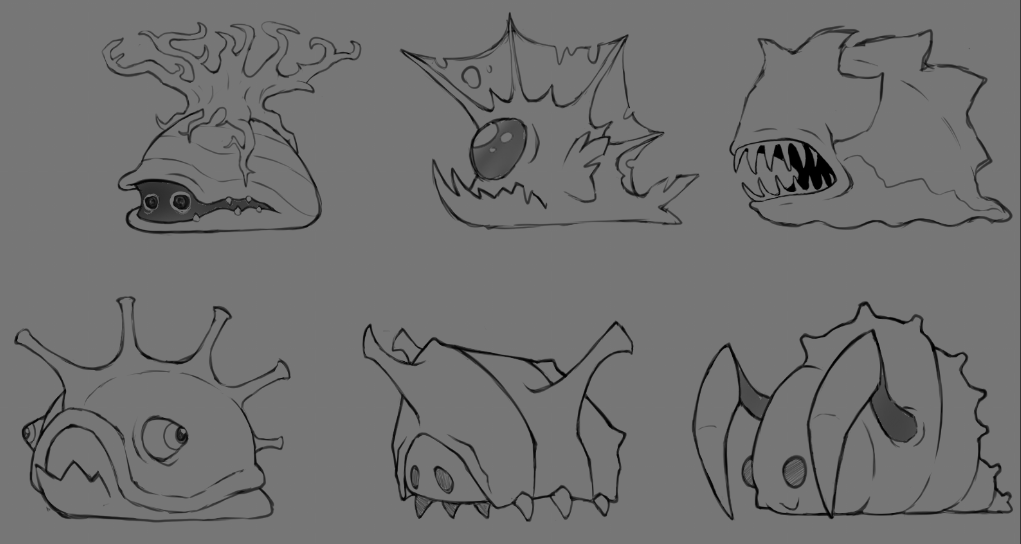
Here are the for now coloured ones:
Programming
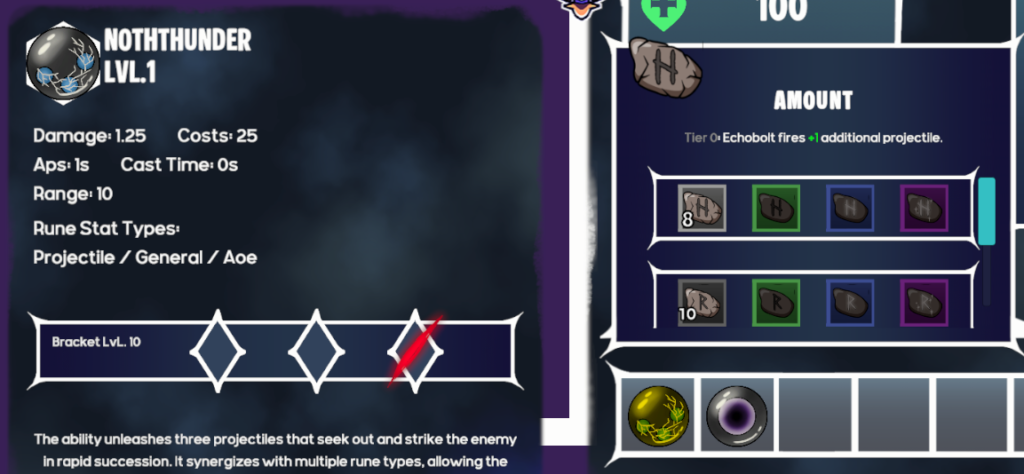
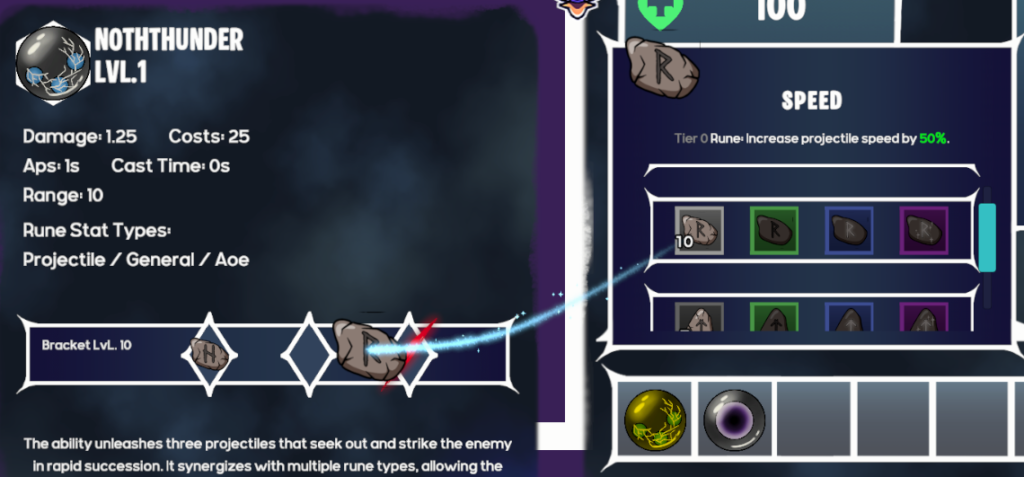
First off, we’ve made progress on the inventory. We already had a solid version last week, but we’ve revised it to make it even more user-friendly and intuitive. To achieve this, we no longer have the rune equipping option on a separate tab; instead, as shown in the image below, it appears as a tooltip directly in the inventory. This should make equipping runes significantly faster and more convenient.
We’ve also revamped our enemy system, though that’s more of a technical and internal change, so there isn’t much to see yet. However, it should allow us to test enemies, create variations, and produce them more quickly and in a way that’s clearer and easier for us to maintain.
What we will do this week?
Game Design
This week, we will continue working on the Greyboxing tutorial level and refine the final version of the basic attack system. Some aspects still need to be worked out in detail, and the existing ability designs need to be revised and adjusted.
Art
In the Art Department, we’re continuing to work on the Sticking Platform Enemy; we plan to add animations to it and color it in.
Programming
Moving on to the enemies, the programming department will first migrate the old enemies into the new system and then integrate the Sticking Enemy into the game.
We will also work on the skill tree and create a prototype to determine how to structure it, both in terms of code and design and UI/UX.
And that concludes this week’s update. Every new step helps bring Enu closer to the experience we’ve imagined, and we’re excited to keep pushing things forward. Thank you for staying with us throughout the journey and for all the support and feedback you continue to share. There’s a lot more to come, and we can’t wait to show you what’s next.